Trump cites candidate failures, not his record, after Democrats seize Congress
The president defended his economic track record while blaming low voter turnout and acknowledging the Iran conflict played a role in the loss.
By Tunde Martin ·
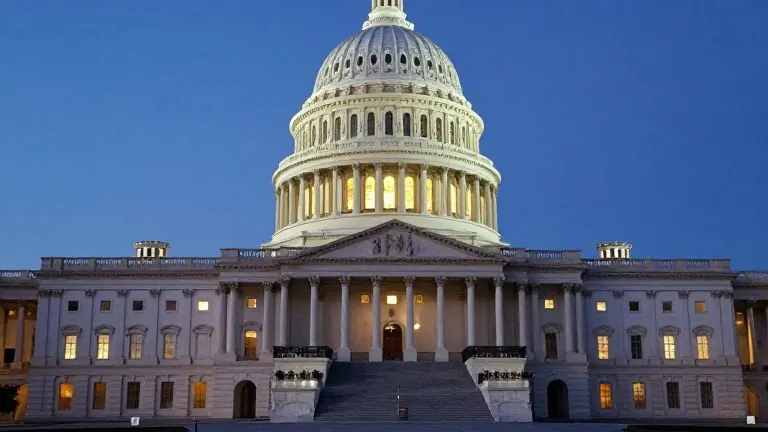
Democrats won control of both the House of Representatives and the Senate in Tuesday's midterm elections. This outcome marks a major shift in power for President Donald Trump, who is now facing a legislature where the opposition party holds the majority in both chambers.
Trump refused to treat the election as a referendum on his leadership. In a phone interview with Fox News, he stated, "But I don't see it as a blow against me." He claimed the United States has experienced the best two years in presidential history regarding the economy, despite the clear signal sent by voters.
The president attributed the Republican defeat to candidates who failed to energize their base. "They simply didn't inspire people to go out and vote," he said. Trump asserted that had his name been on the ballot, the Republicans would have won by a landslide.
This assessment contrasts with the reality of several key races where Trump personally endorsed specific candidates. In Texas, he backed Ken Paxton over Senator John Cornyn, yet the state still saw unexpected Democratic victories. Similar upsets occurred in South Carolina and other traditional Republican strongholds, narrowing the president's margin for maneuvering.
Trump also directed criticism at Fox News, using his Truth Social account to suggest the network favored Democrats in its coverage. He later returned to the network for an interview to reiterate his points about candidate performance. The war with Iran, which began eight months ago, also weighed on the election. The president admitted the conflict was "part" of the result, though he said he would make the same decision to enter the war again.
Rising gas prices and other costs, linked by voters to the conflict and tariffs, drove much of the dissatisfaction with the cost of living. Reuters reported that economic concerns were central to voter decision-making. Trump said he is prepared to work with the new Democratic Congress but warned he would veto bills he considers "unhealthy." He predicted that repeated vetoes would eventually force both parties to negotiate.
This pattern of promising bipartisan cooperation after a legislative loss mirrors the 2018 elections, when Democrats reclaimed the House. At that time, calls for unity did not lead to sustained cooperation. The new Congress now has the power to intensify investigations and oversight of the administration.