Democrats control Congress, setting up two years of legislative gridlock under Trump
The party won both chambers, including a rare Senate flip in Texas, while leaving the presidency with a Republican in charge until 2028.
By Tunde Martin ·
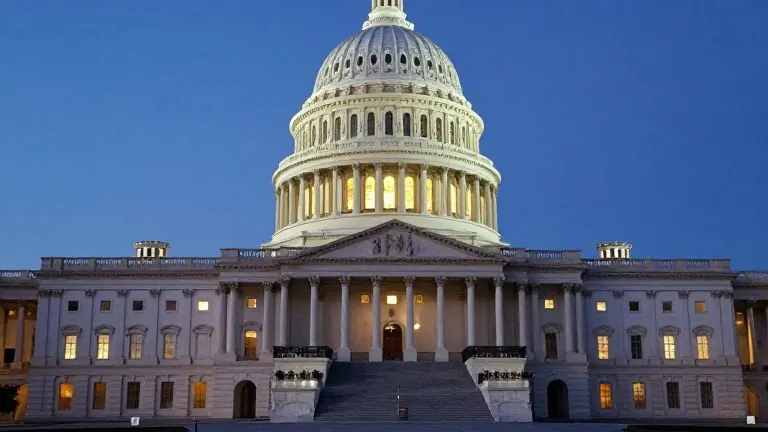
Democrats won control of both the House and the Senate in the 2026 midterm elections, securing a two-year period of divided government before the next presidential contest. The new majority takes office in January, which creates a structural check on President Donald Trump’s remaining term. This setup historically reduces the likelihood of sweeping legislative changes and increases the frequency of investigations and committee hearings.
The election results marked a sharp shift from the previous two years. The Democratic Party captured the majority in the lower chamber and flipped the Senate to its side. One of the most notable outcomes was the election of a Democrat to the Senate from Texas. This is the first time a Democrat has won that seat since 1988. Talarico, the new senator, credited U-Haul for the victory, joking that the company delivered voters who had fled California to the Texas ballot box.
The path to this result followed a pattern common in midterms. Historically, the party not holding the presidency tends to gain ground in these elections. The 2026 cycle was no exception. Several races that polling models called within the margin of error went to Democratic candidates. Analysts and pollsters who predicted incorrect outcomes are expected to appear on television to explain their errors. They will likely argue that their models were correct and that voter behavior was the variable they failed to predict.
Campaign rhetoric during the final stretch focused on financial promises and economic stability. Donald Trump claimed the nation saved trillions of dollars by avoiding a proposed $5,000 payment to citizens if Republicans had won. He also highlighted the "Trump Accounts" established for newborn babies, which contain $1,000. Elon Musk promised each child a share of SpaceX. These promises contrast with current economic data. Inflation reached 3.7% last year. During the four years of the Biden administration, cumulative inflation hit 22%. The average annual rate exceeded 5% during that period.
With Democrats now in charge of both chambers, the legislative agenda will likely focus on affordability and spending. However, the path to passing major bills remains complicated. The divided government structure means the House and Senate must agree on any legislation. This often leads to prolonged negotiations and the potential for legislative congestion. Punitive investigations into past actions are also expected to increase as the new majority exercises its oversight powers.
The upcoming session will bring renewed scrutiny of issues investigated in 2024, 2020, and 2016. Committees will revisit these topics, adding to the workload of members from both parties. Small policy changes aligned with Democratic priorities are also on the horizon. These changes may serve as early markers of the new congressional leadership’s approach to governance.
The political landscape also shifted in the South. Georgia, North Carolina, and Texas all turned blue in this election cycle. This geographic shift complicates arguments for regional separation. The results suggest a stronger alignment with the national Democratic coalition across the country. The next two years will test how well the two parties manage this divided government structure.
President Trump retains his executive powers until the end of his term. He faces a Congress that can block his legislative goals and launch investigations into his administration. The next major test will occur when the new Congress convenes in January. Until then, the focus remains on the transition of leadership in both chambers.