Record spending and committee edges shaped 2026's costly midterm
The election featured the highest expenditure in history, with Republican committees holding a financial advantage while Democrats secured a candidate-level spending edge.
By Idris Romero ·
This year's midterm elections marked the most expensive campaign cycle in American history, a financial escalation that mirrors the high stakes of the political contest. The sheer volume of dollars poured into the race highlights a fundamental shift in how campaigns are funded and executed, moving beyond traditional party structures into complex networks of independent expenditures and direct candidate spending.
The total cost of the election has reached figures that dwarf previous records, with specific data points indicating an 88.1 percent increase in spending compared to prior cycles. This surge has resulted in over 850 million dollars being deployed in key battleground areas alone, illustrating the intense competition for voter attention in an increasingly noisy media landscape.
Financial analysis reveals a distinct structural advantage for the Republican side at the committee level. Republican committees maintained a spending edge throughout the cycle, leveraging their organizational infrastructure to distribute funds efficiently across multiple races. This committee-level surplus allowed them to maintain a persistent presence in media markets, even in districts where their candidates were facing long odds.
In contrast, Democratic candidates held a spending advantage at the individual level. This candidate-level edge was crucial in competitive races, allowing Democratic nominees to outspend their Republican opponents in head-to-head duels. This dynamic created a complex financial battlefield where party committees and individual candidates often operated with different strategic priorities and funding streams.
The influence of high-profile donors, including Elon Musk, played a significant role in shaping the financial landscape of the 2026 elections. Musk's contributions helped fuel the Republican committee spending machine, providing the liquidity needed to sustain prolonged advertising campaigns. His involvement underscored the growing intersection of tech wealth and political fundraising in modern American politics.
Despite the Republican committee advantage, Democrats managed to translate their candidate-level spending edge into electoral victories. The party's ability to match or exceed Republican spending in key Senate and House races was a critical factor in their ability to hold ground and gain seats. This financial parity at the candidate level helped neutralize the broader structural advantages held by Republican party organizations.
The cost of living and health care remained central themes in the financial battles of the campaign. Candidates on both sides leveraged the high cost of advertising to hammer their opponents on these economic issues. The Iran war and oversight of the administration also featured prominently in the messaging, with spending patterns reflecting the urgency that voters brought to these policy areas.
Redistricting efforts by Republicans provided an additional obstacle for Democrats, creating a challenging map for the party's candidate-level spending. Despite these geographic hurdles, the Democratic candidate-level edge allowed them to compete effectively in a wider range of districts. This strategic flexibility was evident in the party's ability to win seats in areas that were not traditionally considered competitive.
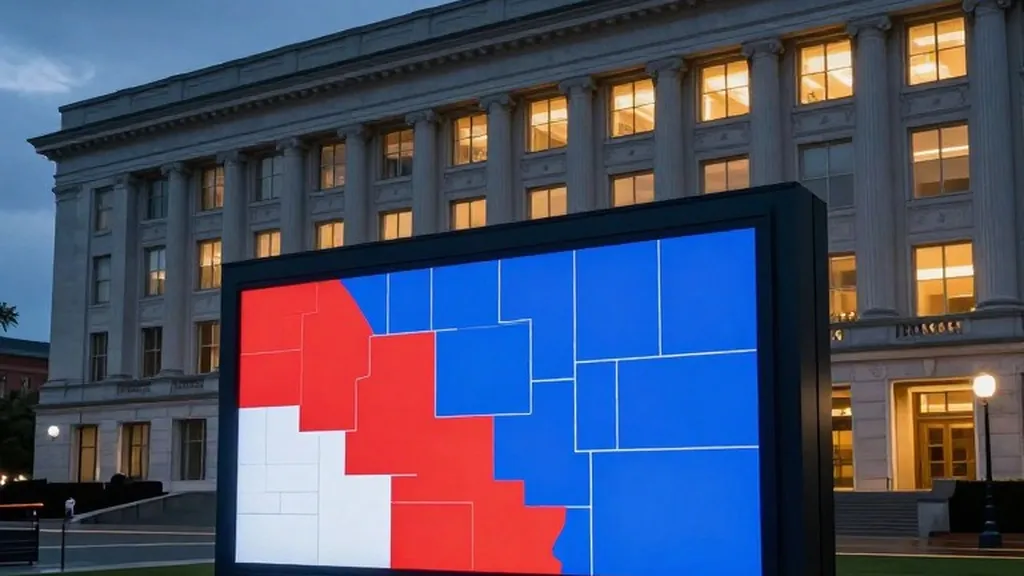
The final results of the election reflect the complex interplay between committee-level and candidate-level spending. Democrats won majorities in both the House and Senate, securing at least 250 seats in the House and 54 seats in the Senate. This outcome suggests that the candidate-level spending edge was the decisive factor in determining the final balance of power, despite the Republican committee advantage.
The election results also highlighted the importance of financial discipline in competitive races. Democrats' ability to concentrate their candidate-level resources in key battlegrounds proved more effective than the broader, but less targeted, spending of Republican committees. This tactical approach allowed the party to maximize the impact of every dollar spent on individual candidates.
As the new Congress convenes, the financial dynamics of the 2026 election will continue to influence legislative priorities and oversight efforts. The high cost of the election has left both parties with significant fundraising needs for the coming years. The Republican committee edge may provide a foundation for future spending, but the Democratic candidate-level success suggests that the party has found a more effective model for translating money into electoral victory.