London freezes assets of 15 Sudanese generals over El Fasher siege
The sanctions, issued on the first anniversary of the city's fall, target officers from both the RSF and SAF for their roles in sexual violence and mass killings.
By Tunde Martin ·
The United Kingdom imposed travel bans and asset freezes on 15 senior military commanders from Sudan's warring factions on October 26. The measures target officers from the Rapid Support Forces (RSF) and the Sudanese Armed Forces (SAF) who are suspected of orchestrating sexual violence during the siege of El Fasher. This action coincides with the first anniversary of a mass atrocity in which tens of thousands of civilians were killed over several days.
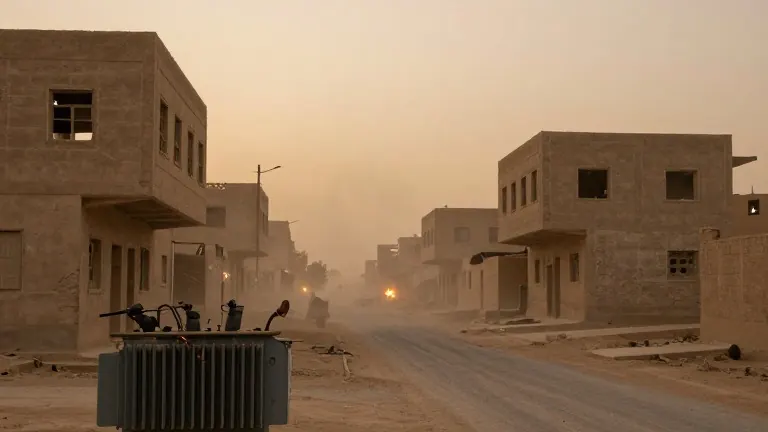
The conflict in Sudan has evolved from a conventional war into a drone-dominated struggle over the past year. The RSF recently executed a coordinated drone attack on power stations in eastern Sudan, causing widespread blackouts. This escalation occurs against a backdrop of displacement, with 14 million people forced to flee their homes since the fighting began.
The road to the current sanctions began with an 18-month starvation siege of El Fasher by the RSF. During this period, hundreds of thousands of civilians survived on animal feed. The UAE allegedly backed the RSF during the siege, a claim Abu Dhabi continues to deny. Internal warnings from the US and UK regarding the impending attack were sidelined before the RSF took the city, according to a Guardian investigation published earlier this year.
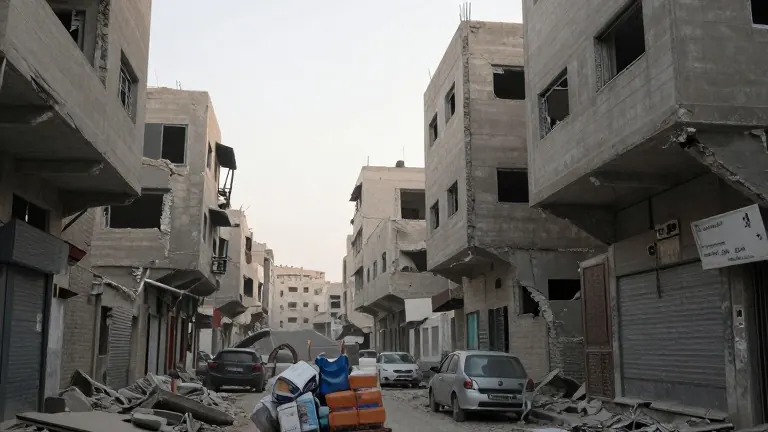
When the RSF captured El Fasher, up to 10,000 men, women, and children were slaughtered over two days. This event is considered the fastest and largest massacre of civilians in the current century. An additional 40,000 residents remain unaccounted for. The city's population has plummeted from over 1 million before the war to fewer than 70,000. Testimony from the region describes routine detention, torture, and unlawful killings.
Among the 15 sanctioned individuals is Hussein Abu Jalak, an RSF colonel linked to atrocities during the siege. Al-Nour Ahmed Adam, also known as Al-Qubba, was identified for his prominent role in the attack on the city. The Foreign Office stated that the sanctions aim to ensure the horrors at El Fasher are known to the world.
The Coalition on Atrocity Prevention and Justice for Sudan issued a statement marking the anniversary. The group noted that victims will not be forgotten and survivors will be heard. The coalition pledged to continue pursuing accountability for those responsible for the violence.
The UK's move represents a formal legal step to restrict the movement and financial capacity of these leaders. The sanctions apply to both the RSF and SAF, signaling that accountability is not limited to a single side of the conflict. The asset freezes prevent the commanders from accessing funds held in UK accounts, while the travel bans restrict their entry into British territory.