Gaza Election: Residents Fear Continuity
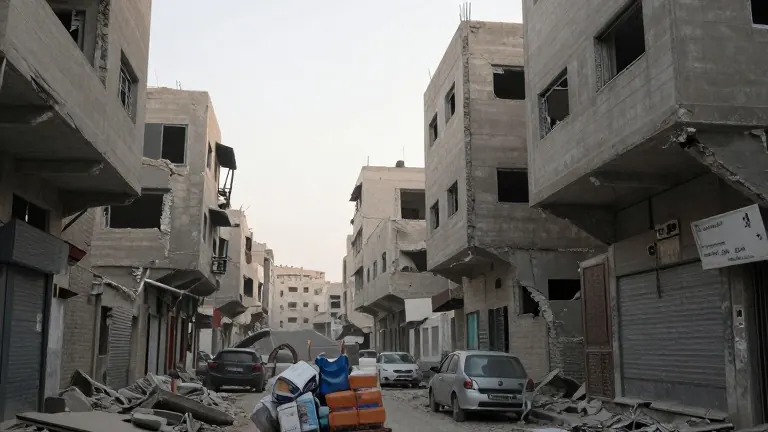
Palestinians in the Strip watch Tuesday's Israeli vote with anxiety, noting that 80% of buildings are damaged despite a ceasefire.
By Idris Romero ·
Israeli elections take place on Tuesday, October 27, 2026.
Palestinians in Gaza are monitoring the campaign with a mix of anxiety and limited hope. The territory has operated under a ceasefire since October 2025, yet residents report near-daily air strikes and a persistent siege that keeps basic goods in short supply.
The election is deeply tied to the war in Gaza. Prime Minister Benjamin Netanyahu faces criticism over security handling prior to the October 7, 2023 attacks. Members of his far-right coalition have pushed for a harder line, including proposals to expel the population of Gaza.
Mohammed Eliyan, 36, was displaced from the Jabalia refugee camp and now lives in Deir el-Balah with five children. He supports Gadi Eisenkot, a former military commander and Netanyahu's main rival. Eliyan fears that another term for Netanyahu's Likud party and its allies will bring more war. He stated, "They are still our enemy, and I don't expect things to improve dramatically." He hopes the next leader might be "less harsh."
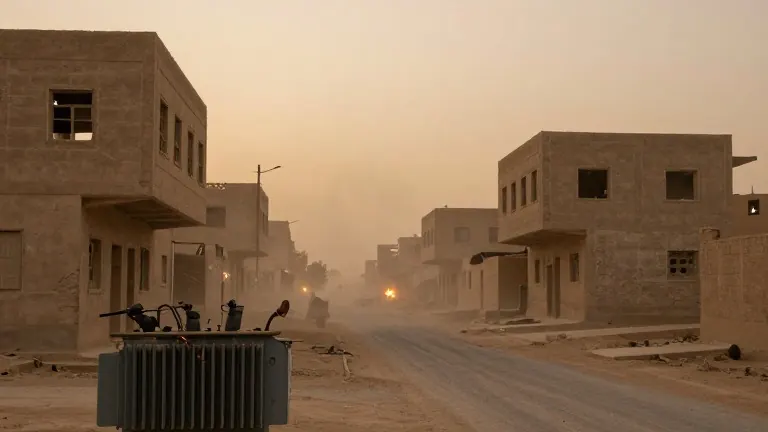
Islam Salem, 41, a father of three from Beit Lahiya, believes the election result will likely worsen his children's future. He argues that the approach to Gaza will remain consistent under any government. Salem points to Israel's control of approximately 65 percent of Gaza inside the so-called Yellow Line. He doubts reconstruction will start soon, noting that more than 80 percent of buildings in Gaza are damaged and about two-thirds are completely destroyed. "We live day by day," he said. "Everything we feared has already happened."
Hanan Abu al-Maaza, 57, has been displaced more than 12 times during the conflict. She dreads worse treatment from the next government. If Netanyahu loses, she believes her chance of returning to her home in Beit Lahiya improves. "We have had enough of war and destruction," she said. "There is nothing left to destroy, yet the suffering continues."
Manar Owaida, 23, currently displaced in the Tal al-Hawa neighbourhood of Gaza City, also hopes Eisenkot replaces Netanyahu. She views the current leader as more extreme. Owaida argues that Israeli policy has been consistent for decades. She suggests a new government might ease the blockade and withdraw from areas beyond the Yellow Line. Her primary fear is that Netanyahu could start a wider regional war to relieve domestic pressure around the vote.
Mousa Ali, 33, a father of four from Beit Lahiya, says the election is critical for Palestinians because of the Yellow Line and the possibility of returning to areas beyond it. He hopes Arab parties perform strongly enough to influence the next government. He does not expect major change but believes a Netanyahu win would prolong displacement and Israeli control. "We hope this policy will end and that a new prime minister will stop this ongoing bloodshed," Ali said.