10,000 Robots: Tesla's New Academy Trains AI Models at Scale
Tesla is utilizing a dedicated training facility in Fremont to generate data for its humanoid robots, aiming for commercial delivery by late 2027.
By Miguel Hernandez ·
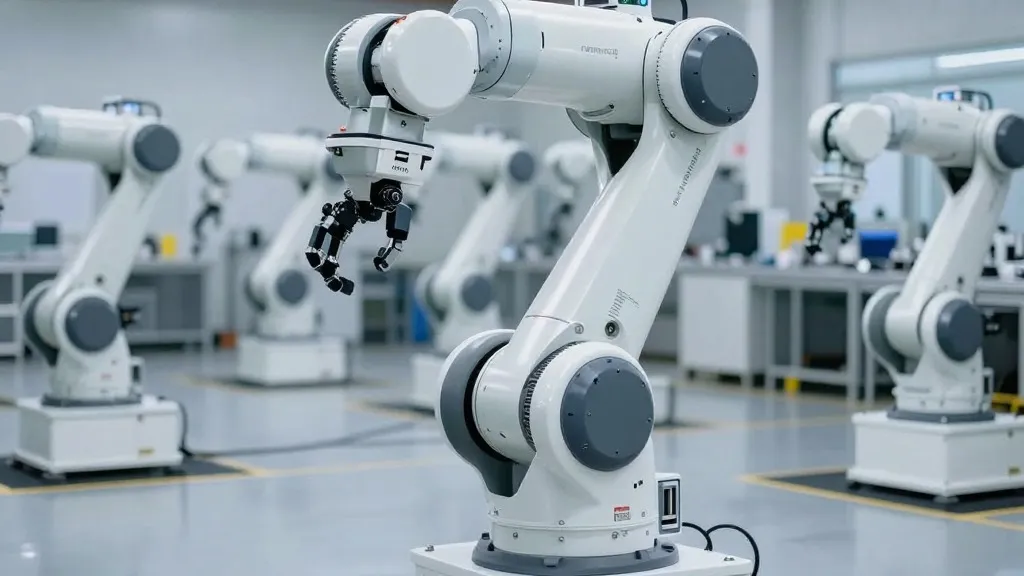
For businesses seeking to automate dangerous or repetitive labor, the timeline for adopting humanoid robotics has just shifted into a more concrete phase. Tesla confirmed that its Optimus robots are now being manufactured on a high-volume line at the Fremont factory, marking the first time the company has produced units it deems suitable for commercial use rather than just internal testing.
The manufacturing transition has been rapid. Tesla repurposed the space previously used for Model S and Model X production, clearing the old vehicle line in just 46 days earlier this year. The new facility is designed with a long-term capacity of one million units per year. As of this week, CEO Elon Musk stated that most of the equipment required for this scale is already installed, with weekly output expected to ramp up toward approximately 20,000 robots.
However, the physical build is only half the challenge. The primary hurdle lies in teaching the robots to navigate the real world. Unlike Tesla’s vehicle fleet, which generates massive amounts of autonomous driving data from millions of cars, the Optimus program lacks a comparable fleet for training. To solve this, Tesla is operating an "Optimus Academy," a specialized facility where between 10,000 and 20,000 robots will practice various tasks. Every unit produced at Fremont feeds into this data loop, allowing the AI to refine its capabilities continuously.
Musk described this growth trajectory as a standard S-curve, noting that the initial slope is shallow but will steepen as the technology matures. The engineering team is currently focused on refining the robot's AI, electromechanical design, reliability, and service life. Tesla aims to complete this refinement phase by the end of 2027, at which point it plans to begin delivering Optimus units to external companies.
Hardware upgrades are also scheduled for the coming year. Tesla intends to integrate its AI5 chip into the Optimus platform. Musk indicated that a new video demonstration showing the robot performing tasks driven by AI rather than preprogrammed motions should be released within one to two months. He emphasized the importance of this distinction, contrasting Tesla's approach with rival humanoid demos that rely on scripted routines which may not hold up in unstructured environments.
The supply chain for this expansion is also solidifying. In September, Tesla certified Tuopu, Joyson, and Sanhua as mass production partners for Optimus components. While the Fremont line serves as the initial high-volume testbed, a much larger facility is under construction at Giga Texas. Recent drone footage shows the steel frame of that plant nearing completion, with a long-term target of producing 10 million robots annually.
From a financial perspective, executives noted that Optimus production costs are trending in line with the expected manufacturing cost of the Cybercab. This suggests the robot is being engineered for volume efficiency from the outset. Despite this progress, the robotic hands remain the most complex aspect of the design, a challenge Musk has highlighted previously. Significant engineering resources are currently dedicated to solving the dexterity and reliability issues associated with the hand mechanism.
Source: Teslarati