Wolf Packs Displaced by Google's Data Center Construction Enter Finnish Villages
Unauthorized forest clearing for AI infrastructure has forced wildlife into residential areas, prompting local safety concerns and regulatory stop-work orders.
By Ananya Gupta ·
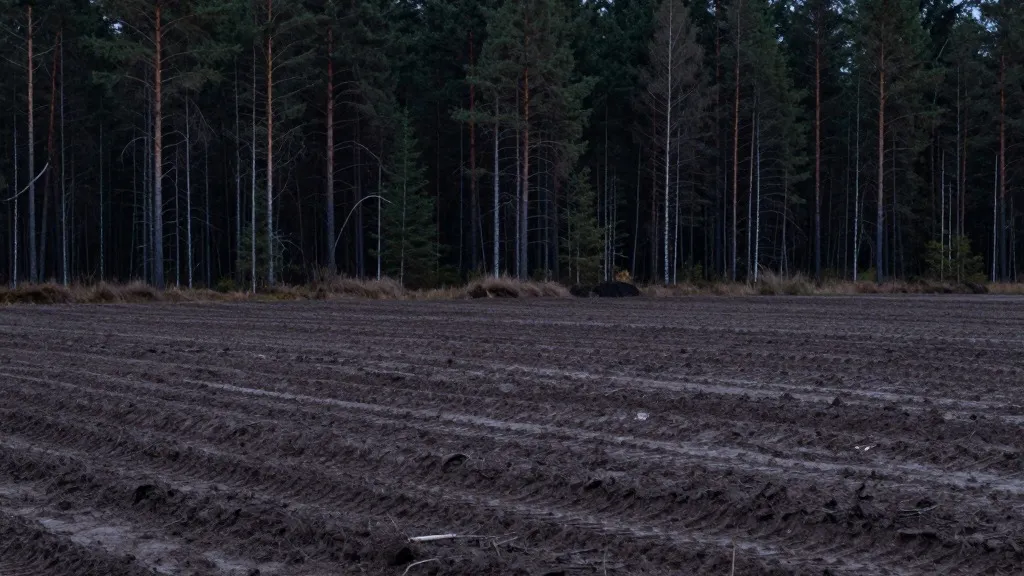
The rapid expansion of artificial intelligence infrastructure in Finland has collided with local wildlife, forcing displaced wolf packs to roam into neighboring villages. Residents in the region are reporting that animals previously confined to dense forests are now appearing in residential areas, creating a tangible safety concern for families living near the construction sites. This ecological shift is a direct consequence of the land clearing required for Google’s new data centers, which have significantly altered the local habitat.
The situation stems from unauthorized clearing of roughly 816 acres of forest near the village of Muhos, an area that has been transformed into a large expanse of mud. Additionally, approximately 500 acres of forest were cleared 55 miles southeast of Otanmäki. Google’s Finland country manager has issued an apology for the unauthorized work, acknowledging the impact on the landscape. The Finnish Licensing and Supervision Authority (LVV) has since ordered the company to cease development activities in both the Muhos and Otanmäki areas, citing regulatory violations.
Local anger has been building for weeks, driven by what many residents view as a disregard for environmental regulations in the rush to build new AI facilities. While environmental groups have long voiced concerns about the footprint of tech giants, this incident highlights a more immediate problem for non-experts: the displacement of local fauna. Anni Ranta, 53, a resident of Otanmäki whose family has lived there for generations, explained that wolves entered the village because the wild animals were pushed out of the forest. Ranta also expressed broader geopolitical concerns, fearing that the presence of U.S.-owned data centers could make Finland a more attractive target for Russian aggression.
The environmental damage extends beyond the loss of tree cover. Locals have reported construction and factory noise, as well as streams turning brown from runoff. There are also complaints that rare bird species are being pushed out of the area. These issues are not unique to Finland, as similar criticisms have been raised in the United States and other countries where AI data centers are being developed. However, the scale of the unauthorized clearing in Finland has drawn particular scrutiny from conservationists.
A representative for the Finnish Association for Nature Conservation (SLL) described Google’s handling of environmental policy as unprecedented and clear in its violation. The regulatory body, LVV, agrees with the assessment, which led to the stop-work order. Despite the halt in construction, Google’s stance remains optimistic. A spokesperson for the company stated, “We will fully comply with LVV’s requests in this matter. We look forward to maintaining an active, open dialogue with all authorities to strengthen our partnership with Finland and local organizations.” The company appears to be betting that the promised economic benefits of the data centers will help maintain good relations with the government and regulators.
This development follows a notice issued earlier this month by the Finnish government, specifically the LVV, which told Google to stop construction activities in Muhos and Kajaani, the latter being near Otanmäki. The timeline suggests a pattern of aggressive expansion that outpaced local oversight. The dispute now hinges on whether Google will simply pause work or if it will face more significant consequences for the environmental impact already realized.
For the local community, the immediate issue is the safety of people living near the muddy clearings. The presence of wolves in village centers is a new and unsettling reality for residents who previously coexisted with wildlife at a safe distance. The loss of the forest buffer has created a direct interface between the wild animals and human inhabitants. This dynamic adds a layer of complexity to the debate over the benefits of AI infrastructure, as the economic gains are weighed against the daily life of those living in the shadow of the data centers.
The next steps will likely involve negotiations between Google and Finnish authorities to determine the path forward. While the stop-work order is in effect, the cleared land remains a significant environmental scar. The outcome of these discussions will serve as a test case for how tech companies manage their environmental responsibilities in foreign jurisdictions. For now, the focus remains on the displaced wildlife and the local residents who must navigate the changing landscape of their countryside.
As the AI race continues, the physical infrastructure required to support it is becoming an increasingly visible part of the landscape. The conflict in Finland illustrates the tangible costs of this digital expansion, from the visual impact of mud flats to the ecological impact on local ecosystems. The resolution of this dispute will be closely watched by other communities around the world where data centers are being planned, offering a preview of the challenges that lie ahead for the industry.
Source: Tom's Hardware