Pacific Island Delegates Cite Whidbey Cables as Model for Remote Connectivity
Ten nations visited a Freeland telecom firm to study its 53-mile undersea fiber project.
By Tunde Martin ·
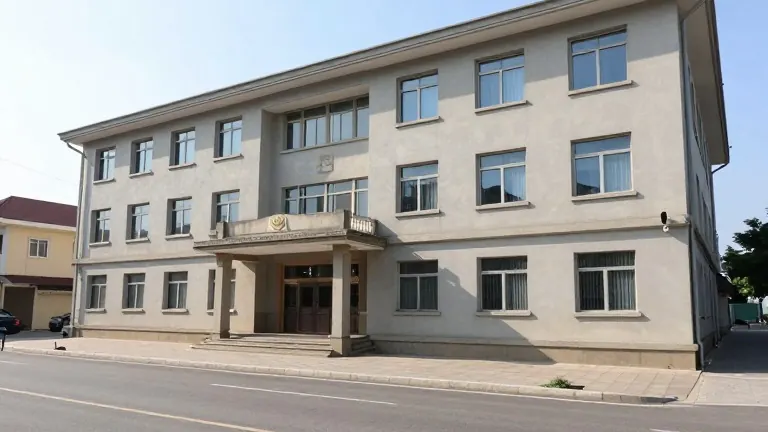
Representatives from ten Pacific nations and regions gathered at Whidbey Telecom in Freeland on Oct. 9 to examine how a local company connects remote communities using undersea fiber-optic cables. The group sought practical solutions for maintaining reliable internet in areas where geography complicates infrastructure work.
The visit served as the final stop for a delegation coordinated by the World Affairs Council of Seattle. The participants came from Australia, Fiji, Palau, Papua New Guinea, the Philippines, South Korea, the Solomon Islands, Taiwan, Timor-Leste and Vanuatu. They arrived through the U.S. Department of State’s International Visitor Leadership Program, which facilitates professional exchanges between American institutions and international colleagues.
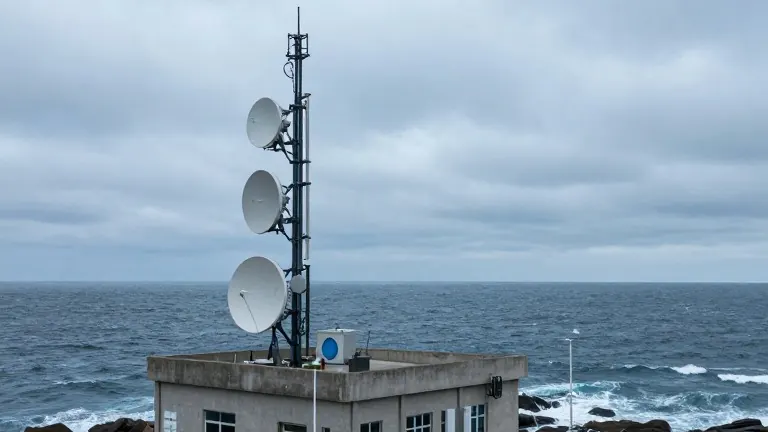
The central topic of the afternoon meeting was the Middle Mile Project. This initiative combines new onshore fiber lines on Whidbey Island with approximately 53 miles of planned undersea infrastructure. The system will link Whidbey Island, Decatur Island and Point Roberts. The National Telecommunications and Information Administration supports the project, which aims to improve broadband for residents, businesses and public safety agencies in the region.
Wayne Jeffers, director of technology and strategic initiatives at Whidbey Telecom, said the session generated strong engagement. “The exchange generated lots of good questions and ideas from all parties,” Jeffers stated. The discussion covered the company’s existing infrastructure, the logistics of operating undersea cables and upcoming expansion plans. The team detailed how ownership and operation models work for such specialized networks.
Camille Adkins-Rieck, director of global leadership exchange at the World Affairs Council of Seattle, noted that the delegates viewed Whidbey Telecom as the most thoughtful organization they encountered during the trip. Adkins-Rieck attributed this positive reception to a shared understanding of island challenges. The visitors recognized that Whidbey staff grasped the specific difficulties of living and working in geographically isolated communities.
Adkins-Rieck highlighted the cultural connection between the group. “They attributed it to that island hospitality, which is shared across the Pacific Ocean, even though the water here is a tad colder!” she said. The delegates plan to return to their home countries to brief colleagues and government officials on their findings. They intend to use the Whidbey project structure as a model for their own regional connectivity efforts.
Whidbey Telecom was founded in 1908 and operates as a locally owned telecommunications provider. The company serves island communities where expanding broadband is a priority for schools, hospitals and emergency services.