Hackney Green Party Reverses Course on Edmonton Incinerator
The council now faces a £9m larger budget deficit as the cost to rebuild the waste plant surges by 80%.
By Jonathan Fedorov ·
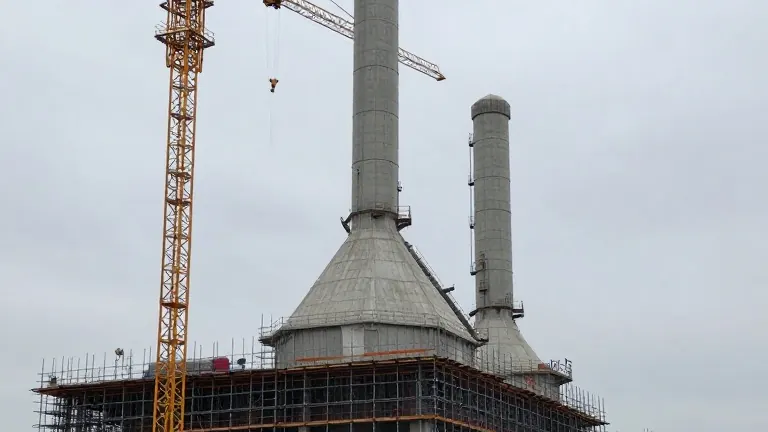
Hackney Council has withdrawn its opposition to a £1.5bn waste incinerator project. The decision reverses a pledge made in the party's election manifesto earlier this year.
The Green Party, which took control of the council in May, had promised to explore every option to cancel the reconstruction of the ageing plant. That facility serves seven north London councils. Councillor Jacob Cable, the cabinet member for climate, stated that abandoning the work would be financially and environmentally devastating for the boroughs involved.
The cost of the rebuild has risen sharply. Hackney Council reports that the multi-year construction budget for the 50-year-old plant has increased by 80%. This surge has directly impacted the borough's finances. A council spokesperson said the predicted budget shortfall has grown by £9m. This increase is partly due to the authority's need to contribute more funds toward the rising construction costs.
The council now projects its budget gap will expand to more than £21m by 2030. Cable, who also chairs the North London Waste Authority, said he reached this conclusion after commissioning a review of the costs and risks of not completing the project. He argued that cancelling the rebuild would worsen environmental and operational outcomes. The authority would be forced to pay to transport waste to lower performing incinerators.
Work on the Edmonton plant began in 2022. The project has faced long-standing opposition due to concerns about air pollution and carbon emissions. In 2024, the previous Labour administration defended the scheme after a BBC investigation described rubbish burning as the UK's dirtiest form of power.
The North London Waste Authority cited several factors for the delays and cost increases. These include rising construction costs, high interest rates, and supply chain pressures. The authority also noted unforeseen complications at the old industrial site. These issues included the discovery of asbestos, unmapped water pipes, and a sewer diversion that proved more complex than planned.
According to the project's website, the incinerator is scheduled to enter its commissioning phase in 2027.