Wyoming Cavers Map Hidden Depths of Bighorn-Horsethief System
Volunteers using laser technology are documenting new passages in one of the West's longest cave networks, which scientists estimate contains over 60 miles of underground space.
By Tunde Martin ·
Volunteers from across the western United States gathered near Bighorn Canyon National Recreation Area this week to continue surveying the Bighorn-Horsethief cave system. The group is working to update maps of a complex network that stretches beneath the Bighorn Mountains. For five years, this international team has refined their understanding of the underground landscape.
Ryan McKeen, a cave management specialist based in Cody, Wyoming, leads the effort. He explained that the cave system offers unique scientific value. McKeen noted that the site provides habitat for bats and features a rare climate that most people never get to experience. He said, 'Every 50 feet, that you move forward there might be three to five directions that you can go.'
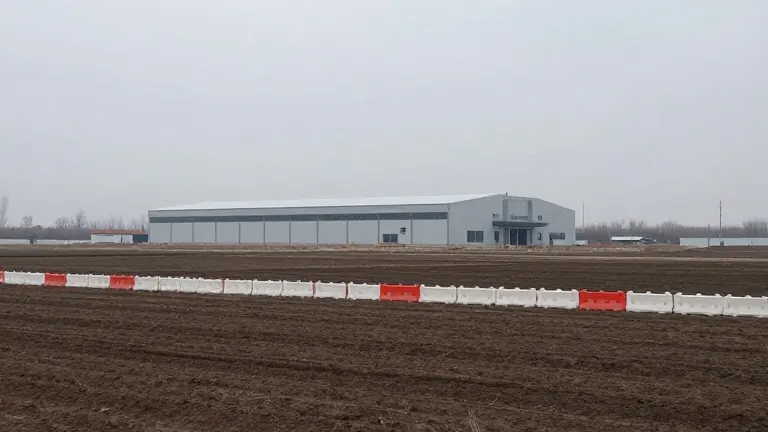
The main entrance is located about 12 miles east of Lovell, Wyoming. The area also contains the remnants of the old Amsco mining camp. Amsco remains are used as a temporary headquarters by cavers while they work inside. The Bighorn-Horsethief system is currently ranked as one of the longest caves in the world. McKeen estimates the total length of known passages at approximately 60 miles, though he believes hidden sections could add several more.
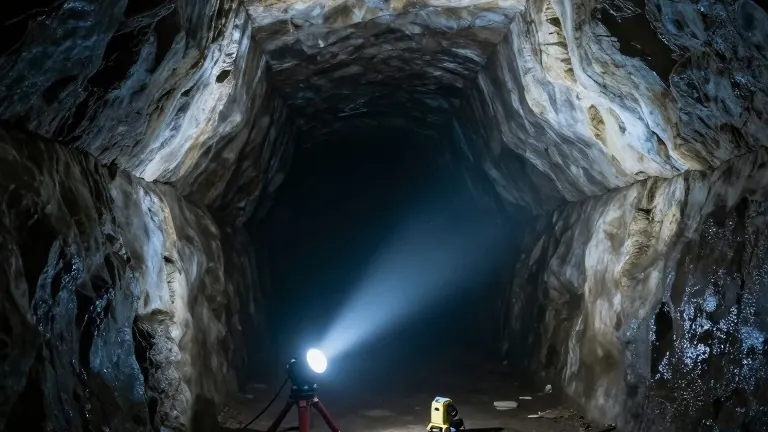
Cavers in 2026 used modern laser instruments to measure passages with precision. Brian Pechet, a member from Larimer, Wyoming, said the team logged about 1,200 hours and surveyed roughly 5.5 miles of passage last year. They remain in line for further exploration. They aim to reach the deepest parts of the cave to complete a full mapping project. Pechet said, 'We are seeing lines but also get into the furthest reaches of the cave to do a full mapping project.'
The limestone formations date back roughly 300 million years, when the region was part of an inland sea. Some parts of Horsethief Cave are dated to more than half a million years ago. The caves contain diverse geological features, including stalactites, stalagmites, and flowstones. These formations developed over centuries through seeping water. McKeen described the cave's complexity as a key reason for its scientific importance.
The cave system also contains radon gas, a naturally occurring radioactive gas that poses health risks. McKeen said the team is careful about exposure limits. He added that controlling access helps limit exploration to people familiar with the activity. He warned that caving is a very dangerous activity. The group works closely with land managers to protect the site for future generations.
Jason Goldberg, a resident of Fort Worth and a member of the National Speleological Society, is working to dig into the historical stuff in articles about the history of the earliest exploration of the area. He is reviewing pictures from the 1950s and 1960s from the original survey. McKeen said that although he has been caving for 30 years, he is still constantly seeing new features in Horsethief Cave. Each trip underground tends to reveal something new, whether it is a geological feature, evidence of past water flow, or a better understanding of the cave's overall layout.