UK spent £100m on Brexit border posts that never opened
New HMRC data reveals the precise cost of seven inland facilities, five of which were built but never used for checks on EU goods.
By Jonathan Fedorov ·
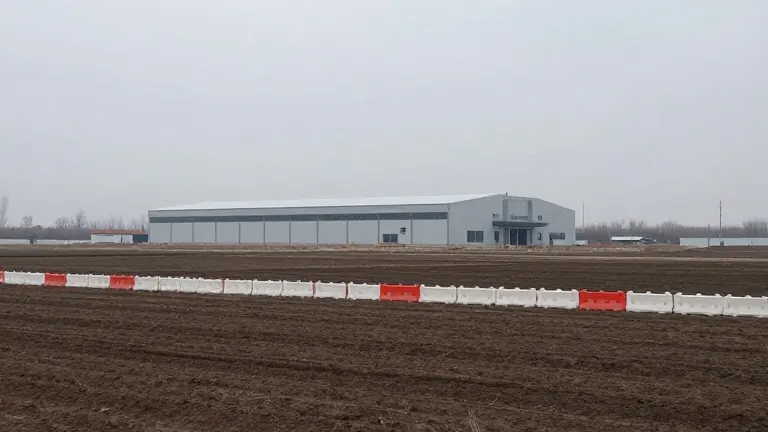
The UK government spent at least £100m constructing seven inland border inspection posts in England and Wales, according to new figures released by HMRC. Five of these facilities were never put into operational use. The data, obtained via a freedom of information request, provides a detailed breakdown of the capital and closure costs for sites that were intended to handle goods arriving from the European Union after Brexit.
The National Audit Office previously estimated the total cost of Brexit at £4.7bn. That figure included years of work on customs software and system changes. The new HMRC data isolates the specific spending on physical infrastructure for border checks. Of the seven sites listed, only two remain active. The other five are effectively dormant, a result of the former Conservative government deciding not to implement all planned checks on continental goods.
The most expensive and controversial site was designated as Dover white cliffs. Residents in the village of Guston learned of the plans on 31 December 2020, hours before the transition period ended. HMRC records show the project has cost £28m so far. The Department for Transport paid £21m to buy the land and spent another £7m on initial ground works, including an archaeological survey for Roman remains. The site remains a field today.
A second major expense was a facility planned for a car park at Birmingham airport. That site cost £11m to build and required an additional £6m to close down, totaling £17m. The Warrington site, located at a former holiday coach stop in Appleton Thorn, cost £17m in total. It required £7m for land purchase, £9m for construction, and £1m for decommissioning. Local opposition was strong, and the site was chosen because suitable locations for lorries from Ireland were unavailable at Liverpool, Holyhead, and Heysham.
Three other sites added to the total cost. The Ebbsfleet site, formerly a Eurostar station car park, cost £4m to convert into a lorry park and £6m to close. The North Weald airfield site, built to alleviate congestion on the M25, cost £3m to construct and £2m to shut down. HMRC noted that the Birmingham, Ebbsfleet, and North Weald sites did not require new land acquisition. The decision to build lorry parks far from Dover was driven by the protected landscape status of the port area.
The government ultimately selected Sevington in Kent, 20 miles inland, as the primary operational site. Total capital costs there reached £154m, including £30m for farmland and £70m for construction. HMRC has disclosed that operational costs for Sevington have now hit £179m. Holyhead is the only other site still functioning, handling goods from Ireland. It cost £14m to acquire and £23m to build.
These figures do not include spending by Eurotunnel or various ports. Eurotunnel invested €50m, or £41.7m, in truck check infrastructure and €90m in passenger changes, including an entry and exit system that France never activated. Portsmouth, the UK's second-busiest cross-Channel port, spent £23m on its border control post. The government funded £17.1m of that amount, leaving the city council to cover a £6m shortfall.
The Portsmouth facility has never operated at full capacity. It currently averages two trailer checks per day, compared with the 80 originally envisioned. Port director Mike Sellers stated that the building was designed specifically for food import checks and biosecurity, making it unsuitable for general warehousing. He noted that repurposing the structure would cost nearly as much as demolishing it. Sellers and Portsmouth city council leaders are asking the government to compensate ports for border posts that may become redundant under the new EU deal.
The release of these figures offers a granular view of the infrastructure costs behind the UK's exit from the single market. The data shows that the majority of the inland inspection network was built, paid for, and then abandoned before it could process a single load of goods. The financial burden of these unused facilities now sits with the state, separate from the ongoing operational costs of the active sites at Sevington and Holyhead.