South Whidbey Port: Managing Marinas, Fairgrounds, and Ferry Trials
Jim Pivarnik, past 70 and newly out of retirement, oversees infrastructure challenges and economic development for the Port of South Whidbey.
By Tunde Martin ·
Jim Pivarnik, a port director past the age of 70, is currently managing the Port of South Whidbey’s diverse assets, including the Langley marina and the Whidbey Island Fairgrounds. Pivarnik was invited out of retirement last year by port commissioners after serving in the port districts of Port Townsend and Kingston for more than two decades. His role involves balancing infrastructure maintenance with the economic goals set by the port’s mission statement, which emphasizes enhancing community well-being and improving public access to marine areas while respecting the rural character of the island.
Pivarnik’s career in port management began when he moved from Hawaii to Washington and took his first job at a marina in Port Townsend. He found that the work required more than supervising yachts; it involved managing limited resources and engaging directly with local citizens. He stated that he enjoys the public interaction and aims to listen to concerns to find common ground. This approach has been applied to his current role on South Whidbey, where the port serves multiple community interests through boat launches, waterfront parks, and the fairgrounds.
The port took over the Whidbey Island Fairgrounds from Island County in 2016 after voters approved the change by a margin of more than 60 percent, which included a property tax increase. The fairgrounds present specific logistical challenges because the port must keep 90-year-old buildings and infrastructure viable year-round to serve visitors during a four-day summer event. Pivarnik noted that current tenants, such as a jiu-jitsu studio, agree to vacate the space in July. Rent income from these tenants helps maintain the facilities and ensures the port meets county stipulations for keeping the fair as a community mainstay.
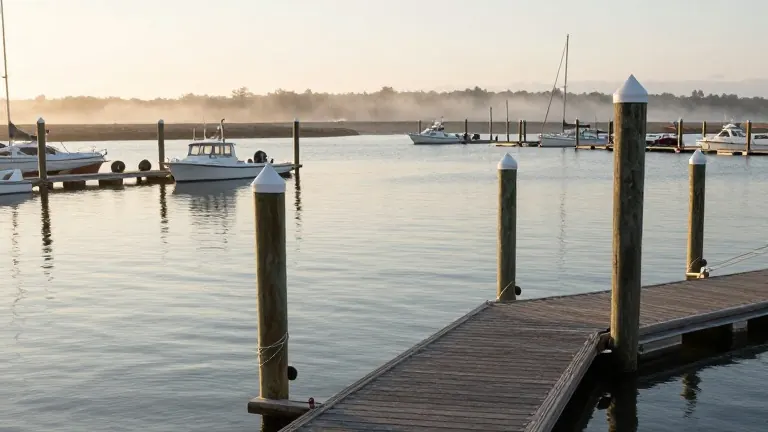
The Langley marina has a history dating back to 1961, when the port district was formed to develop a harbor. The project was stalled by economic and regulatory issues until the 1980s, when a 40-slip transient moorage marina was completed in partnership with the city of Langley and the state of Washington. Pivarnik explained that state and federal grants stipulate the facility must remain transient-only. He said the port’s goal is to bring people to Langley to spend money, even though some local residents prefer permanent slips for their own boats.
The port recently tested a passenger ferry service called the Harbor Hopper, which operated between Langley and Everett this past summer. The service was a partnership between the ports of Everett and South Whidbey. Pivarnik said the port is currently analyzing survey data to determine if the service will return in 2027. At current fuel prices, a round trip costs about $1,000, so the port needs more sponsors to cover expenses. Local business owners reported increased sales during the trial run, which Pivarnik described as a positive sign.
Maintaining the three main boat ramps involves dealing with strong currents and winds in the Salish Sea, which cause storm damage and shifting sand. Pivarnik, a boater himself, acknowledged the frustration this causes for residents. He described the constant effort required to clear sand from the Bush Point ramp, noting that after clearing it at low tide, another couple of feet of sand can accumulate by the afternoon.
Langley Mayor Kennedy Horstmann described Pivarnik as grounded and approachable. She noted that his leadership style fits well because the port operates two key facilities in Langley: the marina and the Fairgrounds. Pivarnik credits his team, including the harbormaster and operations manager, for making the port’s mission happen. He plans to stay in his role as long as the commission needs him, with the goal of making the transition easy for his successor, whom he hopes will be a local person who is smart and energetic.