Montana Beekeepers Hike Honey Prices After Costly Weather Year
Warm winters, spring freezes, and drought have forced apiaries to move hives further and raise retail costs for consumers.
By Tunde Martin ·
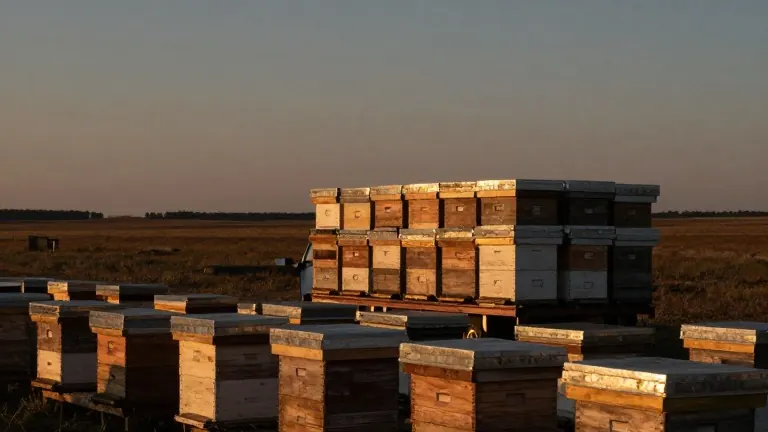
Consumers buying honey in the United States will pay more this year as Montana apiaries adjust to higher operating costs. The price increase follows a difficult season marked by erratic weather and limited natural food sources for bees. Local producers report that these expenses have directly impacted their bottom lines, forcing them to pass costs on to buyers.
Patty Sundberg, who owns Sunshine Apiary near Columbus, estimated her business is running nearly $500,000 below its expected revenue. She attributed the loss to a sequence of weather events. An unusually warm winter caused flowers to bloom early. A subsequent spring freeze killed many of those blossoms before bees could gather from them. Drought conditions then limited the remaining supply of pollen, which bees require as a primary protein source.
To compensate for the local scarcity, Sundberg transported more than 3,000 hives to North Dakota and South Dakota. She noted that this summer relocation was only the second time in her 40 years of operation that she had moved bees during the season. The additional mileage added to fuel costs, a factor she described as a challenge for beekeepers across the country who are covering more distance to feed their colonies.
Spencer Drange, manager of Drange Apiary in Laurel, faced similar logistical hurdles. In June, his team moved approximately 2,000 hives from Broadview to Hysham, a trip of more than 100 miles. Drange stated that using smaller trucks for such a large volume of hives created a substantial expense. Consequently, Drange Apiary raised its honey prices by 20 percent. This marks the first time the business has increased prices in seven years.
Drange said he has observed price increases among peers in the industry. He pointed to the high volume of imported honey as a competitive pressure. According to the USDA, 82 percent of honey used in the U.S. is imported. Suppliers include India, Argentina, Vietnam, Brazil, and Ukraine. That figure has risen from 71 percent a decade ago.
Beekeepers are now preparing for the next cycle while urging customers to consider the origin of their purchases. Sundberg emphasized the need for consumers to understand food supply chains. She described an optimistic outlook as necessary for continuing in agriculture. Drange noted that foreign honey remains a major competitor in terms of price, influencing how domestic producers position their products in the market.
More Business · Rip-Off Report · Report a business · Got a Story?