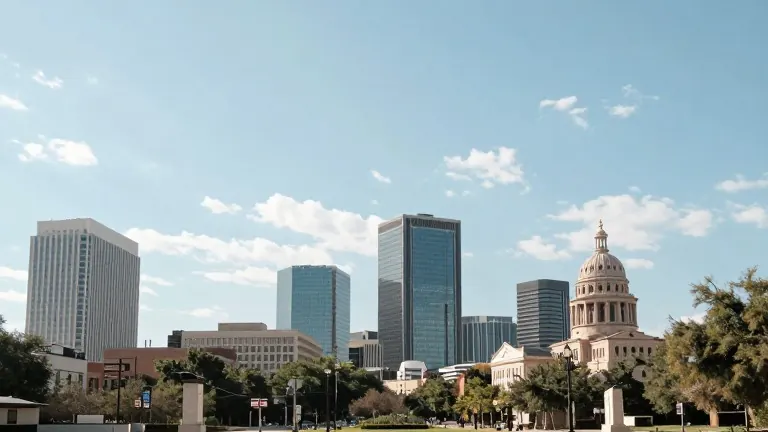
Houston Immigration: Mayor signs order to limit ICE cooperation
The new executive order restricts local police from contacting federal agents for nonviolent offenses following a shift in state political power.
By Tunde Martin ·
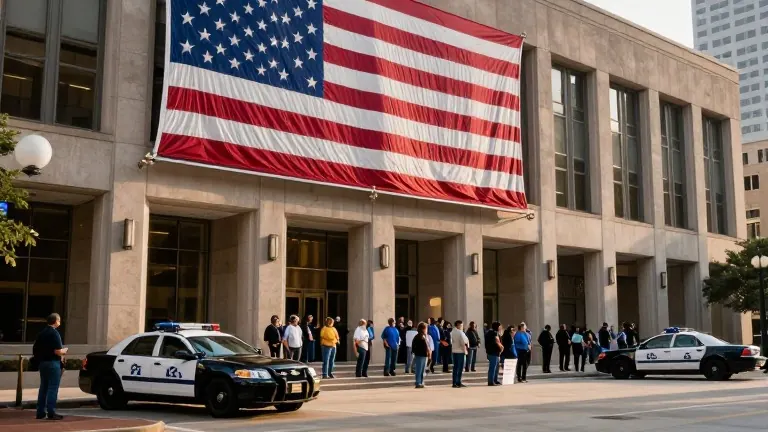
Houston officials signed an executive order on Friday to restrict local cooperation with federal immigration agents, a move that caps the city's involvement in enforcement for minor cases. This action marks one of the earliest municipal responses to the political shift that occurred in Texas on Tuesday, where Democrats secured control of the state government for the first time in decades.
Mayor John Whitmire announced that the city will target immigrants who pose a danger to the public while avoiding interference with those focused on family, work, and education. He stated that the new framework aims to reduce the fear and anxiety felt by residents by preventing contact with U.S. Immigration and Customs Enforcement over nonviolent, non-jailable offenses.
Whitmire explained that under the new rules, a traffic incident will result in a citation or a warning without triggering a federal hold. He noted that this approach allows individuals to continue their daily lives without the stress of potential deportation proceedings initiated by local police. The specific operational details are set out in the executive order, though full implementation will require further administrative steps.
The decision comes amid heightened tension between local residents and federal agents in Houston. This summer, an ICE officer fatally shot a Mexican homebuilder, and another officer struck a man with a car, incidents that sparked widespread protests. Last week, a grand jury indicted ICE officer Mario Alberto Morales on a charge of aggravated assault with a deadly weapon related to the latter incident.
Prosecutors alleged that Morales intentionally rammed his vehicle into Miguel Parra Hernandez, breaking his leg. ICE previously claimed that Hernandez ran into the path of the vehicle, a narrative that prosecutors say is contradicted by video evidence. The indictment adds to the local pressure for a change in how federal agents interact with the community.
ICE relies heavily on local police to identify individuals subject to deportation, a dependency that persists despite a one-time $75 billion infusion from Congress. The agency has signed approximately 2,600 agreements to deputize local and state agencies for immigration enforcement, with many of these arrangements located in Texas. The state has served as a primary target for federal arrests in recent years.
The new local policy follows the election of Gina Hinojosa as governor, who defeated incumbent Greg Abbott. Abbott had closely aligned the state with the federal administration to collaborate on immigration enforcement. His defeat to a Democrat signals a change in the political alignment that has driven the state's aggressive enforcement strategies.