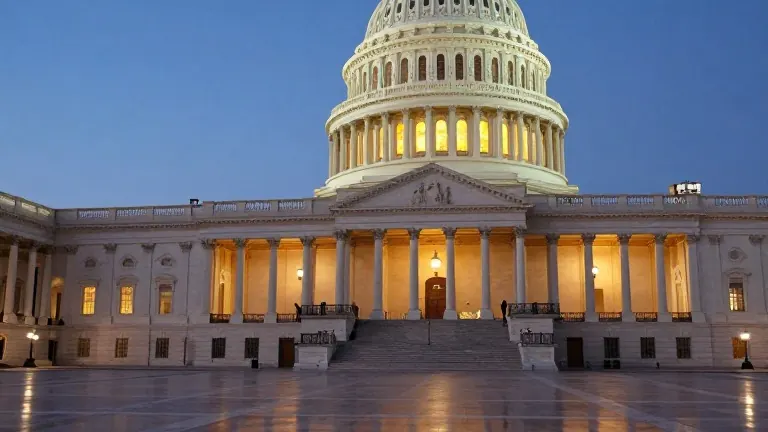
Funding expires Dec. 11 as lame duck session begins
Lawmakers face a tight deadline to pass a continuing resolution before the current stop-gap measure lapses.
By Idris Romero ·
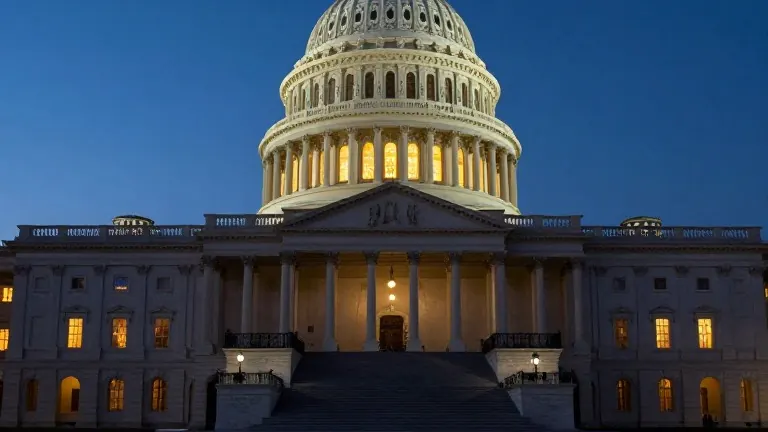
The current stop-gap funding measure for the federal government expires on December 11, leaving Republicans in the House and Senate with only weeks to secure an extension. This final stretch of the 119th Congress centers on keeping the government open before the chamber leadership changes hands.
Lawmakers are expected to pass another short-term bill, known as a continuing resolution, to bridge the gap. The standard process of negotiating 12 separate appropriations bills requires time and political capital that members currently lack. A continuing resolution is the most probable path to avoid a lapse in funding.
The National Defense Authorization Act remains a priority, but the bill faces obstacles due to the Iran war. A majority of Americans oppose the conflict, a sentiment President Trump acknowledged as a factor in his party’s midterm losses. This political pressure complicates the passage of the annual military funding package.
The House is also preparing to vote on an impeachment effort targeting Secretary of Defense Pete Hegseth. The measure, introduced by Kentucky Republican Thomas Massie, lists several charges. These include the administration’s failure to properly consult Congress before launching the military campaign. Massie was a key figure in forcing the release of the Epstein files.
Democrats are not expected to compromise on major legislation as they approach control of both chambers. Big-ticket items such as the Protect College Sports Act and a bipartisan energy permitting overhaul are likely to wait until the new term begins. This delay stems from the slim majorities both parties must manage.
Attendance issues may further complicate the session. Following a demoralizing performance in last week’s midterm elections, members face thin margins for passing bills. Mike Ricci, a Republican strategist and former aide to Speakers John Boehner and Paul Ryan, noted that office wind-downs and new job searches could draw reluctant legislators back to Washington. He also cited the White House Christmas party as a potential draw.