Dollar strength hits Tijuana renters as holiday spending ramps up
Economic analysts predict the U.S. currency will remain strong through December, raising costs for local debtors while boosting tourism and cross-border shopping.
By Tunde Martin ·
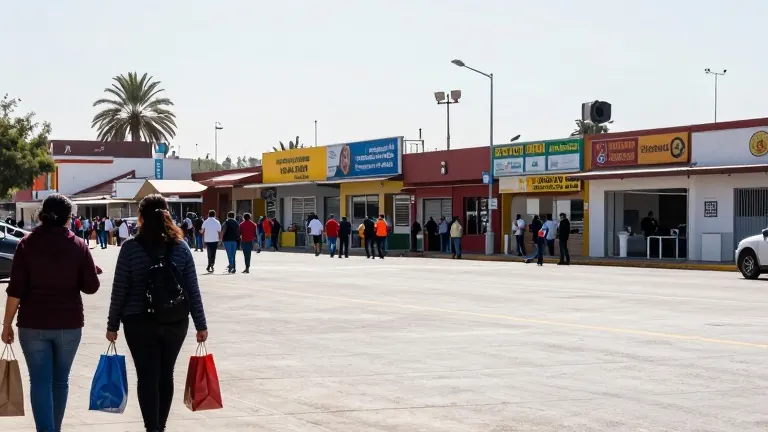
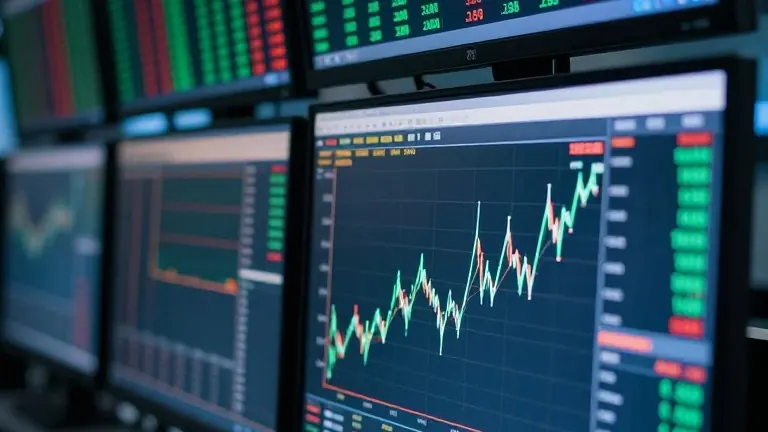
The rising cost of the U.S. dollar is creating a split market in Tijuana, where stronger American currency boosts tourist spending but increases the burden for residents with dollar-denominated debt. As the holiday season approaches, economic experts expect the demand for U.S. currency to remain high, keeping the exchange rate elevated through December.
Carlos Leos, an economic analyst, attributed the current exchange rate trends to standard supply and demand dynamics. He noted that the start of the major commercial period, including Black Friday and Buen Fin, naturally increases the need for dollars. Leos stated that this increased demand will keep the dollar strong against the peso until after Christmas and New Year's Day.
For residents, the stronger dollar translates directly into higher living costs, particularly for those with financial obligations in the U.S. currency. Leos identified rental agreements as the most affected sector, noting that paying rent in dollars causes the most pain for local households. In contrast, he observed that the maquiladora industry may benefit from the shift, as these companies produce goods in Mexico and sell them abroad.
The tourism sector views the currency shift as a positive development. Gilberto Gamiño Herrera, a representative of the Tijuana Tourism and Conventions Committee, said that a stronger dollar gives consumers in Southern California greater purchasing power. He explained that prices in Tijuana remain stable, encouraging visitors to travel north and spend their more valuable dollars on local goods and services.
Despite the higher cost of the dollar, Mexican consumers continue to cross the border to shop in the United States. Leos pointed out that U.S. prices remain a strong competitive force against local Mexican stores. He cited data showing that products on the American side are 30 percent cheaper than in Mexico. Leos added that U.S. retailers also offer better quality and unrestricted return policies, advantages that local businesses have yet to match.
Business chambers and trade organizations are working to stimulate local consumption, but Leos said the price gap remains a difficult barrier for Mexican shoppers. He concluded by acknowledging the reality of the market, stating that while it is desirable to buy locally, the significant cost difference and superior conditions in the U.S. make cross-border shopping a persistent choice for consumers.
More Business · Rip-Off Report · Report a business · Got a Story?