Billings veterans turn to local groups for food and gas
Organizations report a surge in requests for basic necessities as grocery prices rise ahead of the Thanksgiving holiday.
By Jonathan Fedorov ·
Jerry Hudson fields four or five calls every week from veterans who cannot afford groceries, gas, or rent. He serves as the post commander for VFW Post 1634 in Billings and provides food or gas cards to those who verify their status. Hudson reports that he has already distributed approximately $2,000 in assistance this year, a figure that matches the total amount provided by his organization for all of last year.
The local demand aligns with a national trend. The Department of Veterans Affairs reported that more than 100,000 veterans experienced food insecurity in 2025. A recent community health assessment in Yellowstone County found that 29% of adults reported worrying about having enough food. These statistics reflect the financial pressure that rising costs place on household budgets across the region.
DeeDe Baker, executive director of Dog Tag Buddies, observes the same strain on veteran families. She notes that the expense of supporting a family at the grocery store has increased sharply. The pressure is particularly acute for single parents or veterans already struggling to cover everyday expenses. Baker stated that the cost of supporting a family at the store seems to be increasing exponentially.
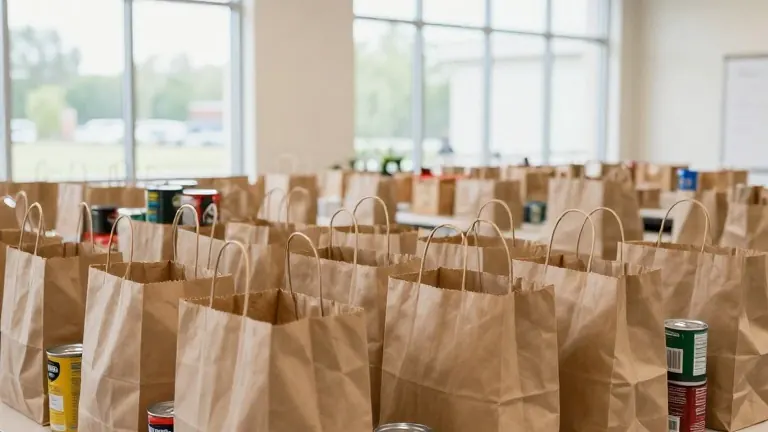
To address the gap in resources, Dog Tag Buddies partnered with the Veterans Navigation Network, Adaptive Performance Center, and Billings Breakfast Exchange Club. The groups are organizing a Thanksgiving food box drive scheduled for November 22 and 23. The initiative aims to distribute at least 200 boxes, each containing a turkey and other essentials for a holiday meal.
The drive has already received more than 100 sign-ups. Baker said the organizations joined the effort on short notice to help fill a widening gap in support. She believes the need is larger than the community currently realizes. The groups rely on community donations and volunteers to ensure veterans and their families have access to a holiday meal.
Hudson funds his direct assistance through two annual Poppy Drive fundraisers held around Memorial Day and Veterans Day. Donations from those events go directly to local veterans. He expects requests to increase as the holiday season approaches, bringing additional financial pressure to families.
Both leaders emphasize the role of community support in sustaining their operations. Hudson noted that he and other veterans did not receive the welcome they hoped for after returning from Vietnam. Now, hearing people thank him for his service and welcome him home means a great deal to him. He and Baker said that donations allow them to keep answering calls and ensure no veteran goes hungry.