Ontario fuel prices to drop 11 cents before midterm elections
Drivers in the Greater Toronto Area can expect regular gasoline to fall to 167.9 cents per litre on Wednesday as political shifts influence global oil markets.
By Idris Romero ·
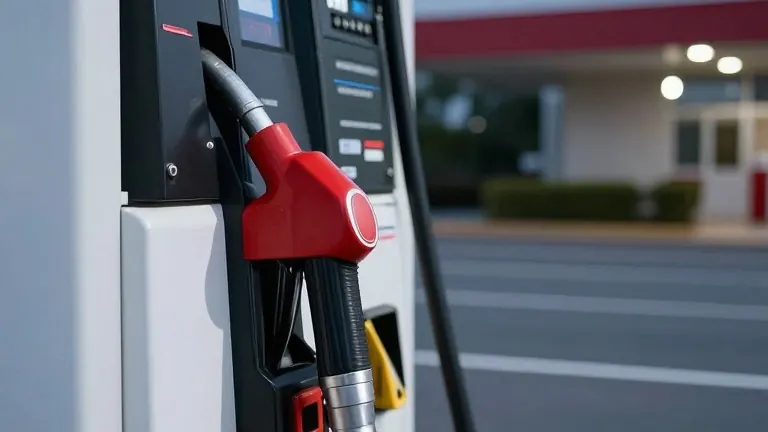
Ontario motorists face a decrease in fuel costs this week, with both gasoline and diesel predicted to drop by 11 cents per litre. The anticipated price cut follows shifts in energy markets ahead of the United States midterm elections scheduled for Tuesday. Dan McTeague, head of Canadians for Affordable Energy, described the development as the best news for consumers in a long time. He noted that markets are wagering heavily on the possibility that a new Congress will limit President Donald Trump's military engagement with Iran.
The reduction in costs stems from the expectation that the U.S. conflict with Iran may de-escalate. McTeague explained that while markets could be mistaken, the current trend offers immediate relief at the pump. He characterized the price movement as a positive sign that is moving in the right direction, though he cautioned that it is too early to determine if the savings will last. His predictions were made after energy markets closed on Monday, November 2, based on the standard two-day lag between wholesale changes and retail pump prices.
If the forecast holds, the Greater Toronto Area will see its lowest fuel prices in months. Regular-grade gasoline is expected to reach 167.9 cents per litre in the morning peak hours on Wednesday. Diesel prices are projected to settle at 235.9 cents per litre during the same period. McTeague indicated that gasoline has not been this low since August 9, while diesel prices have not dropped to this level since September 2. These figures are calculated from wholesale replacement fuel costs, assuming stations pass the savings directly to customers.
The recent volatility in fuel prices traces back to the start of the U.S. and Israeli attack on Iran on February 28. Iran retaliated by targeting Middle Eastern nations hosting U.S. troops and attacking shipping vessels in the Strait of Hormuz. The International Energy Agency reports that approximately 25 percent of the world's seaborne oil trade and 19 percent of liquefied natural gas transit this strait. The U.S. responded by blockading Iranian vessels and ports, a measure that was lifted and later reinstated during intermittent fighting. This disruption choked off oil supply, driving up global prices.
Because Canadian oil is traded on the global market in U.S. dollars, domestic prices fluctuate with international benchmarks even for locally purchased crude. McTeague advises drivers to time their purchases to maximize savings. He recommends waiting until the evening to fill up, as stations typically reduce profit margins after 6 p.m. in the GTA. He specifically urged drivers to never buy gas before 6 p.m. in that region. Prices also tend to be lower outside major cities, making it advantageous to fill up before leaving town.
Drivers can monitor these changes through the Canadians for Affordable Energy website, where McTeague publishes daily price predictions. For specific location data, consumers can check gasbuddy.com for the cheapest prices in their community. Ontario also maintains a motor fuel prices report for those seeking detailed industry data. The upcoming Wednesday prices will determine if the market's optimism regarding the U.S. midterm election outcomes translates into sustained lower costs for working families.
More Business · Rip-Off Report · Report a business · Got a Story?