Garden pests: Rats and squirrels feast on freesia corms
A Huntington Beach gardener reports that urban wildlife has stripped her yard of flowers, leading her to use a specific meat stick trap to solve the rat problem.
By Tunde Martin ·
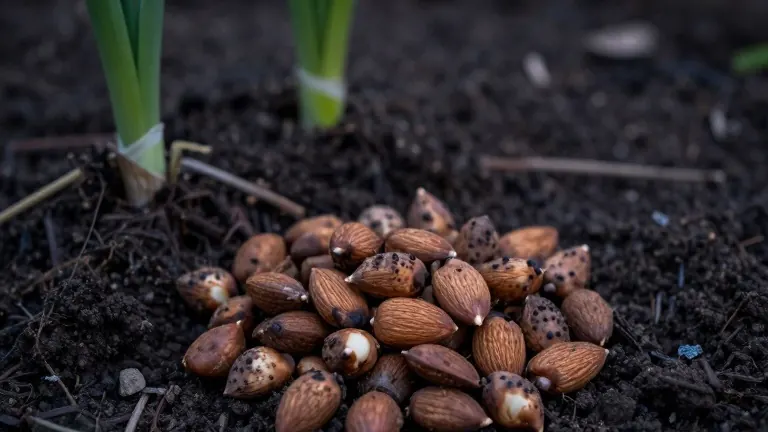
Dena, a resident of Huntington Beach, spent roughly four decades cultivating a patch of freesia corms in her front yard. She originally planted a mix of white, yellow, purple, red, and pink varieties. Over time, the plants cross-pollinated and produced new hybrid colors. Dena engaged in selective breeding to create blooms in shades of lavender, pale pink, and orange. The corms spread through the soil without the need for fertilizer or mulch.
Two years ago, urban wildlife began attacking the collection. Dena observed that squirrels consumed corms during the day. At night, rats, opossums, raccoons, and possibly skunks stripped entire sections of the garden. Hundreds of corms of various sizes were eaten. Smaller corms that were not consumed were dug up and bitten in half. Dena moved the surviving plants into pots in her backyard to protect them from the daytime predators.
The relocation did not stop the damage. Last year, a nocturnal animal began cutting down the freesia shoots. The attacker left half an inch of the stem sticking out of the soil. The plants spent weeks regenerating the cut stems, only to be mowed down again during the night. This cycle repeated for months. By the end of the growing season, the mature corms had expended so much energy regenerating that they were nearly exhausted.
The specific behavior of cutting shoots without eating them points to a rat. Rats have incisor teeth that grow continuously throughout their lives. If these teeth are not sharpened, they can curve into the animal's upper jaw, skull, or roof of the mouth. Crisp plant stems provide the necessary resistance to file down the teeth. This is the same mechanism that drives rats to gnaw on lemon peels, swallowing the rind while leaving the pulp intact.
Dena uses a specific method to trap the rats. She places a half to three-fourths of a Slim Jim on the trap's bait hook or trigger loop. The fermented meat stick is left with its wrapper attached. This setup has proven effective in resolving the infestation in her garden.
The increase in urban wildlife activity is linked to droughts and fires. These environmental factors have shrunk the natural habitats of animals that previously lived in the hills and canyons of Southern California. These animals now seek refuge in residential areas. Last week, a large skunk was seen in a backyard in the middle of the day. Skunks are typically nocturnal and rarely leave their dens during daylight hours.
Squirrels are also becoming more bold in urban settings. A squirrel named Seymour frequently visited a front yard last summer. The animal would stand a few feet away and stare at residents. If chased, it returned to its previous spot. On one occasion, Seymour entered a living room through an open door and was chased out with a broom. This year, a different squirrel with a fuller tail has been spotted in the same area.
Eastern fox squirrels are the most common species seen in Los Angeles today. These animals have reddish-brown fur and bushy tails. They were introduced to the area by disabled Civil War veterans who brought the squirrels as pets to the Sawtelle Veterans' Home in west Los Angeles. In the wild, these squirrels typically live for no more than four years. In captivity, they can live up to 20 years.
The presence of these animals in gardens is not a new phenomenon. The fox squirrel has established a lasting population in Los Angeles due to its introduction by these veterans. The expansion of their range into residential yards reflects the ongoing shift in urban wildlife behavior.
More News · Huntington Beach news · Report a business · Got a Story?