Brazil Exports $100bn to China as US Tariffs Hit 50%
Lula's re-election secures a $28.5bn currency swap line with Beijing while Washington imposes sanctions and visa restrictions on Brazil's political rivals.
By Jonathan Fedorov ·
Brazil’s presidential election results have created a direct economic standoff between Washington and Beijing.
Luiz Inacio Lula da Silva won the vote, a result that prompted Donald Trump to call the process rigged. In response, the US administration granted visas to Flavio Bolsonaro and his family, allowing them to flee to Miami. Bolsonaro declared himself the rightful leader from his new base in Florida.
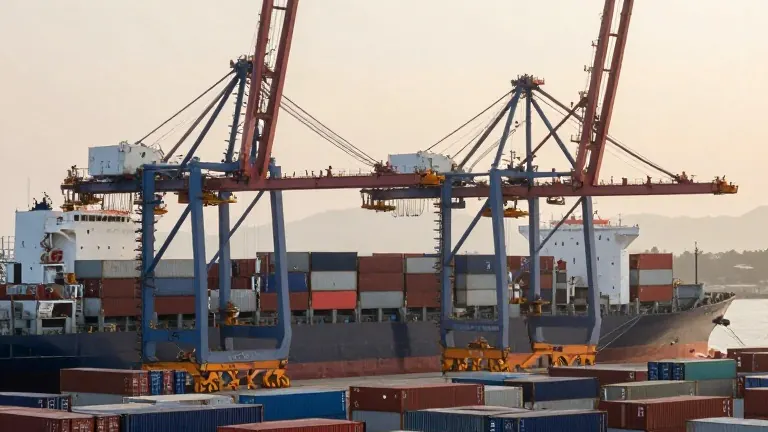
China has moved quickly to solidify economic ties with the new government. President Xi Jinping described the relationship as a model of solidarity among Global South nations. Last year, Brazil exported approximately $100 billion in goods to China. This figure is nearly three times the value of Brazilian exports to the United States. Chinese firms are currently constructing power grids, solar parks, and electric vehicle assembly plants across the country.
The Trump administration has deployed a series of punitive measures against Brazil. The US introduced tariffs of up to 50 percent on Brazilian exports. Additionally, Washington sanctioned Supreme Court Justice Alexandre de Moraes and restricted the visas of other judges involved in cases against former President Jair Bolsonaro. In June, Secretary of State Marco Rubio designated Brazil’s two largest crime organizations as foreign terrorist organizations, a step that could facilitate US military operations in the region.
Financial mechanisms now serve as a primary buffer against US pressure. A currency swap line worth 190 billion yuan, equivalent to $28.5 billion, provides Brazil with a hedge against the dollar. Brazil and China are also exploring a transcontinental railway that would link the Brazilian Atlantic coast to the Chancay port in Peru. This infrastructure project aims to reduce reliance on US-aligned trade routes.
Lula faces a challenging domestic political environment. Right-wing parties hold majorities in both chambers of the incoming Congress. Nearly half of Brazilians report that the economy has worsened over the past year. High interest rates and rising credit-card debt have contributed to social discontent. Lula, who is 81 years old, must navigate these legislative and economic headwinds while maintaining an independent foreign policy.
The outcome in Brazil will influence how other nations in the Global South approach the US-China rivalry. If Brazil maintains its strategic autonomy and deepens industrial partnerships with Beijing, it demonstrates that sovereignty is compatible with great-power competition. The core issue is whether economic links such as payment systems and processing facilities can survive future changes in government. Lula’s victory has preserved Brazil’s current trajectory, but the durability of these economic arrangements remains the central question for the region.